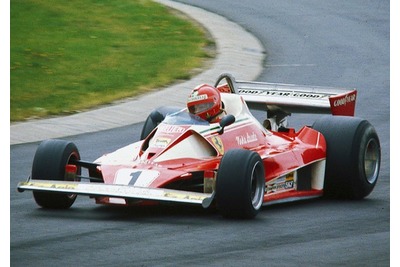
The Ferrari 312B3 was a Formula One racing car used by the Scuderia Ferrari team during the 1974 season. The car was designed by Mauro Forghieri and featured a flat-12 engine producing around 490 horsepower.
The car was driven by Swiss driver Clay Regazzoni during the 1974 season. Regazzoni had a successful season with the Ferrari 312B3, finishing on the podium multiple times and securing a second-place finish at the Brazilian Grand Prix in 1974.
During the Brazilian Grand Prix, which took place at Interlagos on January 27, 1974, Regazzoni drove the Ferrari 312B3 to a second-place finish behind Emerson Fittipaldi in a McLaren. Regazzoni put in a strong performance throughout the race, showcasing the car's capabilities on the track.
Overall, the Ferrari 312B3 was a competitive car during the 1974 season, with Regazzoni and his teammate Niki Lauda achieving several podium finishes. The car helped Ferrari secure third place in the Constructors' Championship that year.
The Ferrari 312B3 is remembered as a significant car in Ferrari's racing history, as it continued the team's tradition of producing competitive and innovative Formula One cars.
1:18 | Figurine Edition | GP Replicas
The Ferrari 312B3 was a Formula One car that was used by the Scuderia Ferrari team during the 1974 Formula One season. The car was designed by Mauro Forghieri and was powered by a 3.0-liter flat-12 engine.
The Ferrari 312B3 was driven by Austrian racing driver Niki Lauda during the 1974 season. Lauda had a successful season with the Ferrari 312B3, finishing in second place at the Argentine Grand Prix in 1974.
The Argentine Grand Prix was held at the Buenos Aires circuit on January 13, 1974. Niki Lauda started the race in 3rd position on the grid and put in a strong performance to finish in 2nd place behind Emerson Fittipaldi in a McLaren.
Overall, the Ferrari 312B3 was a competitive car during the 1974 season, with Niki Lauda achieving several podium finishes and helping Ferrari to secure second place in the Constructors' Championship.
Niki Lauda went on to win the 1975 and 1977 Formula One World Championships with Ferrari before moving to the Brabham team in 1978. The Ferrari 312B3 remains a significant car in the history of Formula One and is remembered for its distinctive flat-12 engine and striking red livery.
1:18 | Figurine Edition | NIKI LAUDA
The Ferrari 312T2 was a Formula One car designed by Mauro Forghieri and built by Scuderia Ferrari for the 1976 Formula One season. The car was driven by Austrian driver Niki Lauda in the Japanese Grand Prix at Fuji Speedway.
The Ferrari 312T2 featured a 3.0L flat-12 engine, which produced around 500 horsepower. The car had a distinctive wedge-shaped bodywork design and a high-mounted air intake above the driver's head.
In the Japanese Grand Prix at Fuji Speedway, Niki Lauda started from pole position in the Ferrari 312T2. Despite challenging weather conditions with heavy rain, Lauda managed to maintain his lead and eventually won the race, securing the championship title for the 1976 season.
The victory at the Japanese Grand Prix was a significant moment for Niki Lauda and Ferrari, as it marked Lauda's second Formula One World Championship title. The win also demonstrated the competitiveness and reliability of the Ferrari 312T2 car.
Overall, the Ferrari 312T2 was a successful car for Scuderia Ferrari during the 1976 season, with Niki Lauda winning a total of five races in the car and clinching the Drivers' Championship. The car's performance at the Japanese Grand Prix further solidified its place in Formula One history.
1:18 | Racing | Top Marques
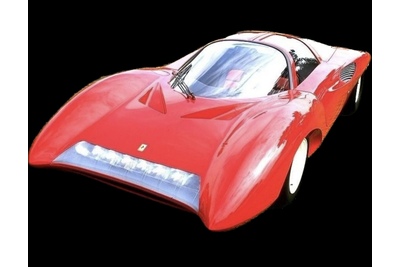
The Ferrari 250 P5 was a prototype race car produced by Ferrari in 1968. It was designed to compete in the World Sportscar Championship and was part of Ferrari's 250 series of cars.
The Ferrari 250 P5 featured a mid-engine layout, with a 3.0-liter V12 engine that produced around 420 horsepower. It had a sleek, aerodynamic body design with a distinctive red paint job, which is a signature color for Ferrari race cars.
The 250 P5 was raced by the Ferrari factory team in various endurance races, including the 24 Hours of Le Mans and the 12 Hours of Sebring. It achieved some success on the track, but was ultimately overshadowed by the more dominant Porsche and Ford teams during that era.
Overall, the Ferrari 250 P5 is considered a rare and valuable collector's item today, with only a few examples still in existence. Its iconic red color and classic Ferrari design make it a highly sought-after car among enthusiasts and collectors.